High school sophomores and juniors!
We will be open for 2026 Pre-College Research Intensives! Join us!


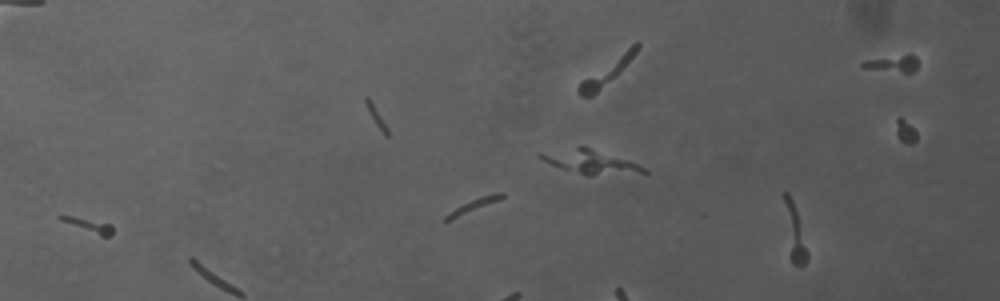
Mycobacteria cause many diseases including tuberculosis and leprosy. We uses techniques in molecular biology, biochemistry, cell biology, and genetics to decipher the mechanisms employed by mycobacteria that make them survive in our human body and persist even after a long antibiotic treatment.
For more detail, please visit the University Without Walls website.
Typical day in the Morita lab
| Time | Activity |
|---|---|
| 9:00 AM | Kick‑off Meeting – quick alignment on goals for the day |
| 10:00 AM | Research Block – experiment, data analysis, and reading |
| 12:00 PM | Lunch Break |
| 1:00 PM | Research Block – experiment, data analysis, reading, and next‑step planning |
| 3:45 PM | Lab Clean‑up & Documentation |
| 4:00 PM | Wrap‑Up & Daily Review – note achievements, flag open items for tomorrow |
How the first week looks like in the Morita lab
- Complete safety trainings
- Become familiar with the lab environment
- Understand the overall concept of the project
- Understand the concepts of gene knockout and complementation
- Learn how to use literature search tools (PubMed, Google Scholar, etc.)
- Learn basic lab skills (pipetting, preparing media, sterile technique, etc.)
- Learn bioinformatic analysis tools (Mycobrowser, MSRdb, UniProt, etc.)
- Learn how to grow Mycobacterium smegmatis
- Learn how to conduct a resazurin growth inhibition assay